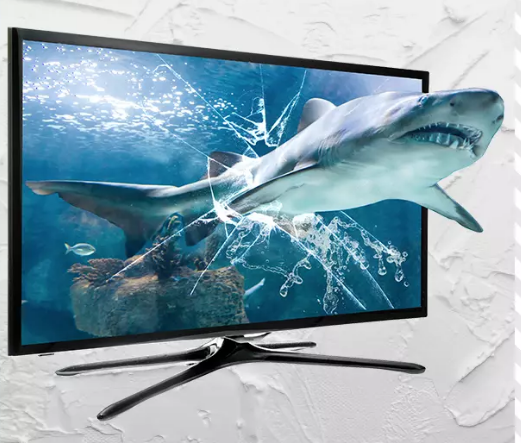
Imagine a TV that blends into your wall like a piece of art. That's the magic of a slim TV. But what exactly is a slim TV, and why is it a must-have in modern homes? These ultra-thin televisions offer sleek designs and superior technology. In this post, you'll learn about their space-saving benefits, enhanced aesthetics, and improved picture quality, making them essential for contemporary living spaces.
Understanding Slim TV Technology
Evolution from CRT to Slim TVs
The journey from bulky CRT (Cathode Ray Tube) TVs to slim TVs marks a huge leap in technology and design. CRT TVs, once the norm, were heavy, deep, and limited in screen size. They used electron beams to light up phosphor dots on the screen, requiring large, deep casings.
Slim TVs, on the other hand, use flat-panel technology, drastically reducing depth and weight. This shift began with LCD (Liquid Crystal Display) and plasma screens, which replaced the heavy tubes with thin layers of pixels. As technology advanced, LED (Light Emitting Diode) and OLED (Organic Light Emitting Diode) screens emerged, offering even thinner profiles and better picture quality.
This evolution means slim TVs are easier to mount on walls, take up less space, and offer more modern aesthetics. They also provide more screen size options without increasing bulk, making them ideal for modern homes.
Key Technologies Behind Slim TVs: OLED vs LED
Two main technologies power most slim TVs today: OLED and LED. Understanding their differences helps in choosing the right slim TV.
● LED TVs: These are actually LCD TVs lit by LED backlights. The LED backlighting allows the screen to be thinner and more energy-efficient than older LCDs with fluorescent lights. LED TVs come in various types, including edge-lit and full-array backlighting. They offer bright images and good color but can struggle with deep blacks because the backlight is always on.
● OLED TVs: OLED technology lights up each pixel individually without a backlight. This allows for incredibly thin screens, perfect blacks, and vibrant colors. OLED TVs typically deliver superior picture quality, especially in contrast and viewing angles. However, they tend to be pricier and can be more susceptible to screen burn-in if static images display for long periods.
Both technologies have advanced to support 4K and even 8K resolutions, smart features, and HDR (High Dynamic Range), enhancing picture quality further.
Summary Table: OLED vs LED
Feature | OLED | LED |
Thickness | Ultra-thin (about 1 inch) | Thin but thicker (2-3 inches) |
Picture Quality | Superior contrast, perfect blacks | Bright images, less deep blacks |
Viewing Angles | Wide, consistent | Narrower, color shifts at angles |
Price | Higher | More affordable |
Risk of Burn-in | Possible with static images | Minimal risk |
Energy Efficiency | Efficient | Efficient but varies |
Choosing between OLED and LED depends on budget, viewing habits, and space constraints.
Benefits of Slim TVs
Space-Saving Design
Slim TVs are perfect for homes where space is limited. Their thin profiles allow them to fit easily on walls or narrow shelves, freeing up valuable floor space. Unlike bulky CRT or rear-projection TVs, slim TVs take up minimal room, making living areas feel more open and less cluttered. This is especially useful in apartments or small rooms where maximizing space is essential.
Slim TVs also weigh less, making them easier to move and install. You can mount them closer to the wall, almost like a piece of art, which adds to the room’s neatness. Their lightweight design reduces the need for heavy furniture or stands, saving even more space.
Enhanced Aesthetic Appeal
A slim TV instantly upgrades a room’s look. Their sleek, modern design blends well with contemporary interiors and adds a touch of elegance. Because they are so thin, they don't dominate the room visually, allowing other decor elements to shine.
Many slim TVs come with minimalist bezels and stylish finishes, making them look more like high-tech art pieces than traditional TVs. Whether mounted on a wall or placed on a stand, slim TVs create a clean, polished appearance. This aesthetic appeal is a key reason many people choose slim TVs over older, bulkier models.
Improved Picture Quality
Slim TVs often feature advanced display technologies like OLED or LED, which provide sharper images, richer colors, and better contrast. OLED TVs, for example, deliver perfect blacks and vibrant colors due to their pixel-level lighting. LED TVs offer bright, clear images suitable for various lighting conditions.
Because slim TVs use the latest tech, they support high resolutions such as 4K and even 8K. This means viewers enjoy crisp details and lifelike visuals, enhancing the overall viewing experience. Many also support HDR (High Dynamic Range), which improves color accuracy and brightness levels.
In summary, slim TVs combine space efficiency, stylish design, and superior image quality, making them an excellent choice for modern homes.
Comparing Slim TVs to Traditional Models
Thickness and Weight Differences
Slim TVs are notably thinner and lighter than traditional TV models. While older CRT TVs were bulky and deep, some flat-panel TVs today measure just about an inch thick, especially OLED models. LED TVs tend to be slightly thicker, usually between 2 to 3 inches, but still much slimmer than older designs.
The reduced thickness means slim TVs can be mounted flush against walls, creating a sleek, modern look. Their lighter weight also makes them easier to move and install. For example, a 50-inch plasma TV might weigh 60 pounds or more, whereas a similar-sized slim LED or OLED TV can weigh significantly less, reducing the need for heavy furniture or stands.
This slimness doesn’t just improve aesthetics. It also helps save space, especially in smaller rooms or apartments where every inch counts. The lightweight design reduces shipping and handling costs, which can be a consideration for businesses purchasing multiple units.
Installation and Placement Options
Slim TVs offer more versatile installation options compared to traditional models. Their thin profile allows wall mounting almost like a framed picture, freeing up floor space and allowing for creative room layouts. However, wall mounting requires proper support, sometimes professional installation, especially to manage cables and ensure secure mounting.
For those who prefer not to mount TVs, slim models fit well on narrow shelves or slim stands without overwhelming the room. In contrast, traditional rear-projection or CRT TVs require bulky cabinets or large stands, limiting placement flexibility.
Slim TVs also open up new possibilities for commercial use. For example, ultra-slim LED displays can be integrated into advertising, retail, or conference environments where space and appearance matter. Some slim LED displays are designed for portability and creative installation, such as flexible or transparent screens.
However, it’s important to consider installation challenges. Slim TVs might need specific wall mounts or brackets, and managing cables neatly can be tricky. Also, because they are lightweight, they may be more susceptible to damage if not handled carefully during setup.
Choosing the Right Slim TV for Your Needs
Factors to Consider: Size, Resolution, and Connectivity
Picking the right slim TV means thinking about a few key things. First, size matters. You want a TV that fits your room well—not too big to overwhelm, not too small to miss details. Measure your space before buying. Slim TVs come in many sizes, from 43 inches up to 97 inches or more. Bigger screens offer more immersive viewing, but take up more room.
Next, resolution is crucial. Most slim TVs today support 4K Ultra HD, which gives sharp, clear images. Some even offer 8K, but 4K is the sweet spot for most users now. Higher resolution means better picture quality, especially on larger screens.
Connectivity options can make or break your experience. Look for multiple HDMI ports so you can connect game consoles, Blu-ray players, or soundbars without hassle. USB ports are handy for playing media from flash drives. Ethernet or Wi-Fi support lets you stream content easily. Some TVs also include Bluetooth for wireless speakers or headphones.
Smart features are common in slim TVs. Operating systems like Roku, WebOS, or Fire TV give easy access to streaming apps like Netflix, Disney+, and Hulu. Voice control and smart assistants, such as Alexa or Google Assistant, add convenience.
Top Slim TV Brands and Models
Several brands stand out for quality slim TVs. LG leads in OLED technology, offering ultra-thin sets with excellent picture quality. For example, LG’s OLED55G2PUA is about an inch thick and supports 4K, HDR, and smart features. It’s great for gamers, too, thanks to support for Nvidia G-Sync.
Samsung and Sony also offer strong LED and OLED slim TVs. Samsung’s QLED models provide bright images and vibrant colors, while Sony excels in picture processing for natural visuals.
TCL and Insignia offer budget-friendly options that don’t skimp on features. TCL’s 55R655TV is a 4K QLED TV with Roku built-in, making streaming simple. Insignia’s NS-43F301NA22 is a compact 43-inch 4K TV with Amazon Fire TV, perfect for smaller rooms or those on a budget.
Here’s a quick comparison table for reference:
Brand | Model | Type | Thickness | Screen Size | Smart OS | Price Range |
LG | OLED55G2PUA | OLED | ~1 inch | 55-97 inch | WebOS | Premium |
Samsung | QN90B/QLED | QLED | ~2.7 inch | 50-85 inch | Tizen | Mid to Premium |
TCL | 55R655TV | QLED | ~2.7 inch | 55-75 inch | Roku | Budget to Mid |
Insignia | NS-43F301NA22 | LED | ~3.2 inch | 43-70 inch | Fire TV | Budget |
When choosing, balance your budget, room size, and desired features. OLED TVs offer the thinnest profiles and best picture but cost more. LED and QLED TVs are thicker but more affordable.

Common Challenges with Slim TVs
Durability Concerns
Slim TVs, especially ultra-thin OLED models, can be more fragile than traditional thicker TVs. Their delicate panels and compact internal components make them vulnerable to damage from drops, bumps, or improper handling during installation. The slim design often means less protective casing around the screen, increasing the risk of cracks or screen damage.
Additionally, some slim TVs use advanced materials and manufacturing techniques to achieve their thin profile. If these processes are not top-notch, it can lead to issues like warping, screen discoloration, or malfunction over time. Durability can vary widely across brands and models, so it's important to choose reputable manufacturers known for quality and reliability.
Price Considerations
Slim TVs, especially OLED models, tend to be more expensive than traditional thicker LED TVs. The cutting-edge technology, premium components, and manufacturing precision needed to produce ultra-thin TVs drive up costs. This higher price can be a barrier for many consumers or businesses on a budget.
While prices have dropped over the years, top-tier slim TVs still command a premium. Buyers should weigh the benefits of slim design and improved picture quality against the increased cost. Sometimes, a slightly thicker LED TV can offer similar features at a more affordable price point.
Potential Installation Issues
Installing slim TVs may seem straightforward, but there are challenges to consider. Because slim TVs are lightweight and thin, they require strong, compatible wall mounts. Not all mounts fit every slim TV model, so checking compatibility is crucial.
Mounting a slim TV flush against a wall often means managing cables carefully to maintain a clean look. Concealing wires can require additional accessories or professional help. Also, the thin profile can make handling during installation tricky, increasing the risk of damage if not done carefully.
Furthermore, some slim TVs have limited ventilation space due to their compact design. Installing them in enclosed spaces or tight cabinets without proper airflow can cause overheating, reducing lifespan or performance.
Future Trends in Slim TV Technology
Advancements in Display Technology
Slim TV technology keeps evolving rapidly. New materials and innovations allow screens to become even thinner, lighter, and more efficient. MicroLED is one promising advancement. It offers the perfect black levels and vibrant colors of OLED but with higher brightness and longer lifespan, making it ideal for bright rooms and commercial use. Although still pricey, MicroLED is expected to become more affordable in the coming years.
Another trend is rollable and flexible screens. These allow TVs to fold or roll up when not in use, saving space and adding convenience. LG and Samsung have showcased prototypes, and some models are already on the market, though at premium prices. These flexible displays use OLED or similar technologies to maintain picture quality despite bending.
Higher resolutions like 8K will become more common, paired with AI-powered upscaling to improve lower-resolution content. This means even older shows or movies will look sharper on future slim TVs. Also, HDR technology will advance, delivering richer colors and better contrast in a wider range of lighting conditions.
Energy efficiency is improving too. New panel designs and power-saving chips reduce electricity use without sacrificing brightness or picture quality. This is good for both home users and businesses aiming to cut costs and environmental impact.
Integration with Smart Home Systems
Slim TVs are becoming hubs for smart homes. They now connect seamlessly to other devices like speakers, lights, thermostats, and security cameras. Voice assistants such as Alexa, Google Assistant, and Siri are built into many slim TVs, allowing hands-free control of the TV and smart home gadgets.
Future TVs will offer better interoperability, working smoothly with various ecosystems regardless of brand. This means you can control your lights or check security cameras directly from your TV screen without switching devices.
Smart TVs will also get smarter through AI. They can learn your preferences, suggest content, optimize picture settings based on room lighting, and even detect when no one is watching to save power.
In business settings, slim TVs integrated with smart systems will simplify conference room management. They can automatically connect to devices, manage presentations, and adjust settings for different meeting types.
Overall, the future of slim TVs blends cutting-edge display tech with intelligent connectivity, making them more versatile, efficient, and user-friendly than ever.
Conclusion
Slim TVs offer space-saving designs, enhanced aesthetics, and improved picture quality, making them ideal for modern homes. Investing in a slim TV provides a sleek, modern look and superior viewing experience. Companies like Feilong deliver cutting-edge slim TV technology, ensuring excellent value and performance.
FAQ
Q: What is a Slim TV?
A: A Slim TV is a modern television with a thin, lightweight design, utilizing advanced technologies like OLED or LED to offer superior picture quality and space-saving benefits.
Q: How does a Slim TV save space?
A: Slim TVs have thin profiles that allow wall mounting or placement on narrow shelves, freeing up floor space and making rooms feel more open.
Q: Why choose a Slim TV over traditional models?
A: Slim TVs offer improved aesthetics, better picture quality, and versatile installation options, making them ideal for modern homes and businesses.
Q: Are Slim TVs expensive?
A: Slim TVs can be pricier, especially OLED models, due to advanced technology and premium components, but LED options offer affordability without sacrificing quality.
Q: What are the benefits of OLED Slim TVs compared to LED?
A: OLED Slim TVs provide perfect blacks, vibrant colors, and ultra-thin profiles, while LED TVs offer bright images and affordability, though slightly thicker designs.