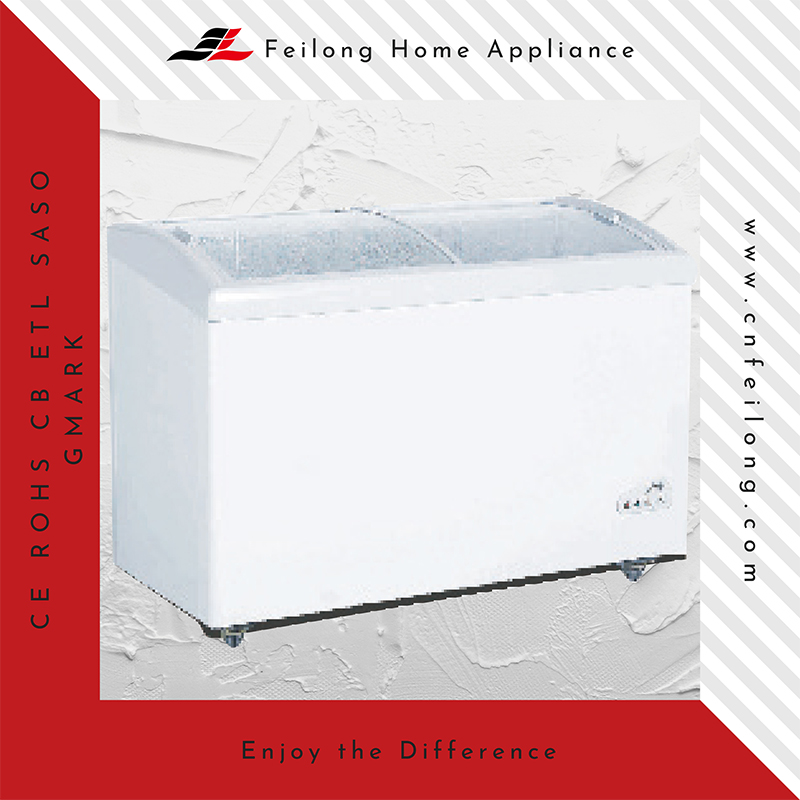
Commercial lid selection directly impacts daily retail operations. A poor choice shortens compressor life, inflates energy bills, and frustrates customers. Shoppers want easy access, while operators need efficient cooling. These conflicting needs create a constant challenge for store owners and managers.
Retailers face an ongoing operational struggle on the sales floor. You must maximize product visibility while maintaining strict thermal efficiency. Floor space is always severely limited in busy convenience stores and supermarkets. Balancing these commercial priorities is absolutely critical for long-term profitability.
This article offers an objective framework for decision-making. We will compare sliding and hinged configurations across various floor plans. You will learn which specific setup best fits your unique usage volume and store layout.
Key Takeaways
Sliding Lids maximize self-serve efficiency in narrow, high-traffic aisles but require strict daily track maintenance.
Hinged Lids offer superior gasket sealing and temperature stability, making them ideal for long-term storage or lower-traffic environments.
The deciding factor often comes down to ambient store humidity, vertical clearance, and the specific ratio of customer access to employee restocking.
Evaluating the Business Problem: Access vs. Thermal Efficiency
Defining Success Criteria
Every commercial refrigeration deployment must meet specific performance benchmarks. Success goes beyond merely keeping products frozen. It requires a delicate balance between mechanical reliability and customer convenience. You need to establish clear goals before selecting your lid configuration. The following criteria define a successful equipment deployment:
Minimizing frost buildup on interior walls and product packaging.
Facilitating frictionless, intuitive access for shoppers of all ages.
Maximizing visibility to drive impulse purchases at the point of sale.
Meeting these goals ensures optimal product quality and steady sales. A failure in any of these areas creates cascading operational issues.
The Operational Tension
Retailers constantly battle the tension between open access and thermal efficiency. More access points inherently increase the risk of air leaks. Sliding configurations encourage rapid browsing but introduce multiple vulnerability points for ambient air intrusion. This forces compressors to work harder to pull temperatures back down.
Conversely, secure, gravity-assisted seals prioritize temperature retention over speed. Hinged variants lock in cold air brilliantly. However, they create physical barriers during busy shopping periods. You must evaluate your specific foot traffic patterns to resolve this tension effectively.
Compliance & Safety
Food safety regulations mandate strict temperature controls for frozen goods. Health inspectors routinely check storage units for dangerous temperature fluctuations. Soft ice cream poses serious bacterial risks if improperly stored. A reliable lid seal is critical for any glass door freezer to maintain compliance.
Brief drops in temperature degrade product texture and safety. FDA guidelines require commercial equipment to hold steady temperatures under standard operating conditions. Choosing a lid mechanism prone to failure jeopardizes your entire inventory. Equipment selection directly impacts your ability to pass routine safety audits.
Sliding Lids: Built for Self-Serve Retail Environments
Merchandising Advantages
Sliding lids excel in fast-paced retail environments where space dictates everything. They operate entirely within their own footprint. The doors glide sideways rather than swinging upward. This design prevents the lid from jutting into the shopping aisle.
This space optimization is highly valuable for tight store layouts. A flat glass door ice cream freezer fits perfectly in narrow convenience store aisles. You can place it directly under promotional shelving without interference. It maximizes usable retail square footage without sacrificing merchandising power.
Multi-Shopper Access
High-traffic locations require equipment capable of handling simultaneous users. Sliding designs allow two customers to browse independently. One shopper can inspect frozen treats on the left. Another can grab a pint from the right side simultaneously.
This dual access prevents bottlenecks during peak summer hours. Customers never have to step back or wait for a swinging door to close. The pathway remains completely unobstructed at all times. Smooth traffic flow directly translates to higher impulse sales.
Implementation Realities & Risks
Despite their merchandising benefits, sliding configurations demand consistent upkeep. Their primary weakness lies in the track mechanism itself. Dust, spilled liquids, and small debris quickly accumulate inside the sliding tracks. This creates mechanical friction over time.
Common Mistake: Neglecting daily track cleaning. Debris mixes with condensation to form a thick sludge. This sludge eventually freezes solid, creating micro-gaps where air escapes.
Furthermore, user error poses a significant daily threat. Customers frequently leave sliding doors slightly ajar after retrieving items. Even a one-inch gap allows massive amounts of ambient humidity to enter the cabinet. This leads to rapid temperature drops and heavy, damaging frost accumulation.
Hinged Lids: Prioritizing Temperature Integrity
Sealing Performance
Hinged systems prioritize uncompromising temperature control above all else. They utilize continuous, heavy-duty rubber gaskets around the entire frame. The sheer weight of the lid uses gravity to compress these gaskets. This creates an exceptionally tight, secure airtight seal.
This mechanical advantage significantly reduces thermal loss during operational hours. Heat intrusion becomes virtually impossible when the lid remains closed. Compressors cycle less frequently, preserving vital internal components. The thermal stability achieved by hinged designs is unmatched in commercial refrigeration.
Deep Freeze Applications
Certain frozen inventories demand absolute temperature precision. Gelato, high-butterfat ice creams, and specialized artisan desserts degrade quickly if temperatures fluctuate. These products become icy and unpalatable if exposed to ambient heat. A hinged setup prevents these quality-destroying micro-thaws.
For these reasons, it remains the preferred configuration for a glass door chest freezer. Store owners use them extensively for bulk back-of-house storage. Specialized parlors rely on them to protect highly sensitive, premium inventory.
Operational Friction
The superior sealing comes with distinct spatial compromises. Hinged mechanisms require entirely unobstructed vertical clearance to open fully. You cannot place them directly under low shelves or hanging promotional displays. If placed poorly, an aggressively opened lid might crash into overhead fixtures.
Additionally, they introduce severe access limitations for customers. An open hinged door acts as a large physical barrier. It forces nearby shoppers to step backward into the aisle. It makes multi-customer access incredibly awkward and frustrating during busy afternoon rushes.
Side-by-Side Evaluation Dimensions
Energy Consumption
Energy efficiency impacts your monthly operational budget heavily. Hinged lids generally outperform sliding variants in raw energy metrics. Their gravity-assisted gaskets prevent cold air seepage consistently. Sliding doors inherently feature small gaps between the overlapping glass panes.
Furthermore, hinged doors are rarely left partially open by accident. Gravity typically pulls them shut unless propped open intentionally. Sliding doors frequently remain cracked open by rushed shoppers. These partial-open states force compressors to run continuously, spiking energy consumption drastically.
Maintenance & Durability
Maintenance routines differ wildly between the two designs. Hinged doors require periodic gasket inspections and replacement. The rubber seals degrade slowly over years of use. Staff must also lubricate the hinges annually to prevent squeaking or mechanical binding.
Sliding doors demand rigorous, unyielding daily attention. Employees must wipe out the track channels every single evening. Failing to remove sticky residue leads to immediate derailment issues. A derailed glass door requires urgent maintenance to prevent complete cabinet thawing.
Visual Merchandising
Visual presentation directly influences a shopper's likelihood to buy. A standard glass door ice cream freezer using a sliding configuration often features curved glass. This curvature reduces overhead lighting glare and improves product visibility from multiple angles.
Conversely, hinged lids are typically completely flat. Flat glass tends to be highly reflective under bright supermarket fluorescent lights. Shoppers might have to shift their viewing angle to see past the glare. You must consider your store lighting when evaluating the visual merchandising impact.
Cost Implications
Initial acquisition prices for both lid types remain remarkably similar. Manufacturers price them competitively to capture broader market segments. The true financial divergence occurs in the hidden operational costs.
Sliding units generate higher ongoing energy bills and frequent frost mitigation expenses. Hinged units risk costly physical damage from forced over-extension. If a customer flings a hinged lid upward violently, it can snap the hinges or shatter the glass entirely.
Lid Configuration Comparison Chart
Evaluation Metric
Sliding Lids
Hinged Lids
Space Optimization
Excellent (Stays in footprint)
Poor (Requires vertical clearance)
Energy Efficiency
Moderate (Prone to gaps)
High (Gravity-sealed gaskets)
Customer Access
Multi-shopper friendly
Single shopper at a time
Maintenance Focus
Daily track cleaning
Long-term gasket replacement
Best Application
High-traffic convenience aisles
Bulk storage & sensitive inventory
Shortlisting Logic: Making Your Final Decision
When to Choose Sliding
Select a sliding configuration when customer volume dictates your layout. High-volume retail environments rely on speed and convenience. Impulse-buy checkout aisles benefit massively from frictionless sliding access. Shoppers can quickly grab a frozen treat while waiting in line.
They are also essential where physical aisle space sits at an absolute premium. Narrow pathways cannot accommodate large swinging doors safely. If your aisles barely fit two shopping carts side-by-side, sliding lids are mandatory.
When to Choose Hinged
Prioritize hinged configurations for long-term preservation and inventory protection. Back-of-house storage rooms do not require slick merchandising or fast access. Low-traffic specialty shops prioritize product texture over rapid browsing speed. Gelateria owners overwhelmingly prefer hinged models for this exact reason.
Furthermore, heavily humid environments demand hinged setups. Coastal stores or open-air markets battle constant ambient moisture. Frost becomes a major threat to equipment health in these climates. The superior gasket seal effectively blocks humidity from entering the freezing chamber.
Next-Step Actions
Before contacting suppliers, you must gather specific facility data. Guessing dimensions leads to costly installation errors. Follow this operational checklist to finalize your requirements:
Measure physical constraints: Calculate exact aisle width and maximum overhead clearance in the proposed location. Ensure there are no hanging signs or low-hanging shelves above the area.
Assess staff bandwidth: Evaluate your team's capacity for daily maintenance. Can they handle meticulous track cleaning, or is wiping flat surfaces more realistic?
Review environmental factors: Consult a refrigeration vendor regarding dual-temperature needs. Discuss your specific ambient store climate, including average summer humidity levels.
Best Practice: Always request a spec sheet detailing the exact opening radius of hinged models to verify clearance before purchase.
Conclusion
Neither lid type proves universally superior for every business scenario. The optimal choice is dictated entirely by your unique floor space, foot traffic patterns, and staff maintenance capacity. You must align the equipment's strengths with your primary operational goals.
If your primary goal is safe, long-term storage, prioritize thermal efficiency by selecting hinged models. If you need aggressive merchandising in tight spaces, prioritize accessibility through sliding models. Understanding this trade-off ensures you protect your inventory while maximizing sales.
Take time today to audit your retail floor plan. Map out customer flow and measure overhead clearances carefully. Consult equipment spec sheets to verify operational requirements. Contact a commercial refrigeration specialist to request a custom quote tailored to your exact spatial needs.
FAQ
Q: Which lid type requires more maintenance?
A: Sliding lids demand more frequent, rigorous maintenance. Staff must clean the sliding tracks daily to remove dust, debris, and sticky spills. Neglecting this causes friction and air leaks. Hinged lids require less daily effort but need periodic gasket inspections and replacements every few years.
Q: Do sliding lids cause more internal frosting in a glass door freezer?
A: Yes, they generally cause more frosting. Customers frequently leave sliding doors slightly ajar, allowing ambient humid air to rush in. Additionally, blocked tracks prevent the doors from closing fully. This continuous air intrusion creates heavy frost buildup on the cabinet walls.
Q: Are flat glass door ice cream freezers more prone to condensation than curved ones?
A: Condensation depends heavily on glass heating technology rather than shape. However, flat glass reflects overhead light more directly, making minor condensation highly visible. Curved glass minimizes direct light reflection and often manages viewing angles better, though both require heated glass elements in high-humidity environments.
Q: Can both sliding and hinged lids be secured with commercial locks?
A: Yes, both configurations support robust locking mechanisms. Many modern commercial units feature built-in, factory-installed locks to prevent off-hours shrinkage. You can also easily install aftermarket locking bars on hinged lids or track-blocking clamp locks on sliding doors for additional security.