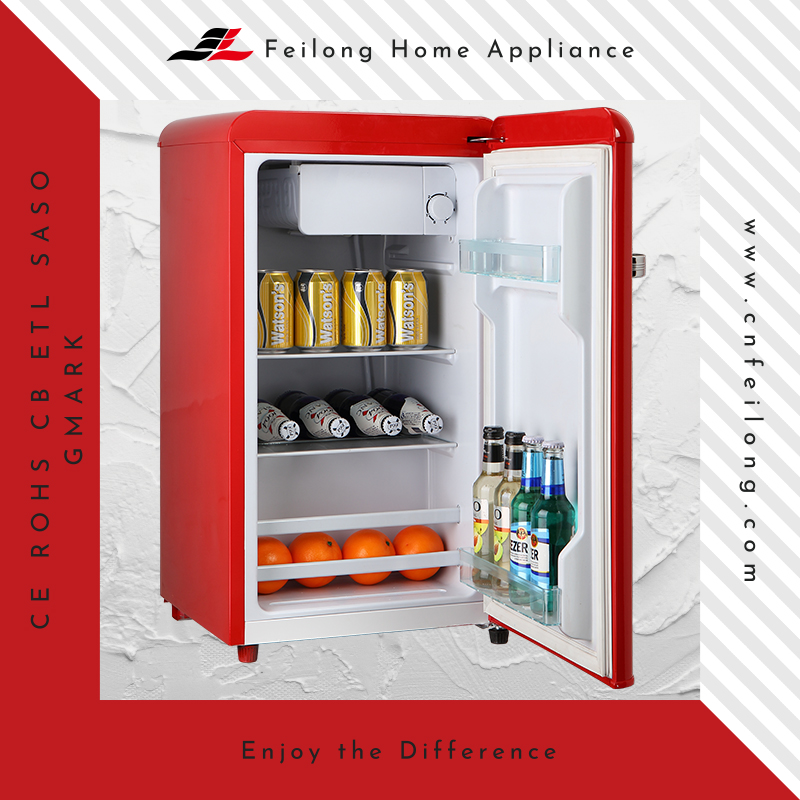
Standard commercial cooling units solve a functional need. However, they often create a visual blind spot. They easily blend into the background of curated retail or boutique hospitality spaces. You invest heavily in store design. Yet, placing generic silver boxes in the room disrupts your aesthetic vision.
Emerging brands and specialty retailers struggle today. They want to drive high-margin impulse purchases. But premium products often sit inside utilitarian coolers. Shoppers walk right past them without a second glance. This represents lost revenue and poor brand positioning.
Integrating a vintage-inspired cooling unit bridges the gap between appliance and architectural focal point. It serves as a strategic visual merchandising tool. You will learn how standout hardware captures customer attention. We explore ways it reinforces brand identity and positively influences purchasing behavior.
Key Takeaways
Visual Merchandising ROI: A stylized retro fridge transitions refrigeration from a back-of-house utility to a front-of-house customer magnet, directly impacting point-of-sale (POS) product engagement.
Brand Cohesion: Selecting the right vintage color palette and hardware builds subconscious brand alignment and elevates the perceived value of the goods stored inside.
Capacity vs. Footprint: Strategic sizing—from a compact retro mini fridge at the checkout to a full-sized focal unit—must balance inventory turnover rates with available retail square footage.
Commercial Viability: Aesthetic differentiation cannot come at the expense of commercial-grade performance; buyers must evaluate temperature recovery, energy efficiency, and warranty limitations.
1. The Business Case: Why Visual Aesthetics Matter in Refrigeration
Commodity vs. Premium Framing
Shoppers navigate retail environments on autopilot. Standard commercial display coolers reinforce this habit. Customers expect silver, black, or white boxes. They subconsciously filter these displays out as simple utility fixtures. Vintage aesthetics disrupt this routine. A stylized appliance breaks the visual monotony. It commands attention before the shopper even registers the products inside.
When you display premium items in a generic cooler, you degrade their perceived value. You frame them as commodities. A unique appliance frames your inventory as exclusive. It signals quality. Shoppers associate the appealing exterior with a premium interior experience.
Metrics of Success
Retailers must evaluate display hardware beyond simple cooling capacity. You need to measure its impact on key sales metrics. Track customer dwell time around the display. Monitor localized foot traffic. Measure the conversion rates of impulse purchases.
Upgrading your display hardware directly influences these numbers. A visually appealing unit draws people across the room. They linger longer. Increased dwell time raises the probability of a sale. You can easily test this by comparing sales velocity in standard coolers versus design-forward displays.
The "Emerging Brand" Advantage
Emerging food and beverage brands face fierce competition. Artisanal, organic, or limited-run products require distinct positioning. You cannot rely on packaging alone. The display environment must amplify your message.
Using distinctive hardware acts as a physical billboard. A well-placed Retro Fridge communicates authenticity. It tells shoppers your brand values craftsmanship and design. You elevate the retail experience. This strategy builds strong customer loyalty. Shoppers remember the striking visual presentation long after their purchase.
2. Color Theory and Brand Identity Alignment
Selecting the Right Palette
Color is your most powerful visual tool. Standard vintage colors include pastel mint, bold cherry red, and matte black. You must evaluate how these colors interact with your retail space. Consider your existing display fixtures. Observe your interior lighting conditions.
Harsh fluorescent lights wash out pastels. Warm ambient lighting enhances them. Bold colors demand strong, focused illumination. You must ensure the appliance color harmonizes with the surrounding environment. A clashing color creates visual tension. A complementary color builds an inviting atmosphere.
Psychological Framing
Colors trigger specific psychological responses. You can use these triggers to influence shopper behavior.
Pastels: Mint green, powder blue, and soft pink communicate freshness. They suggest organic sourcing and approachability. These tones are ideal for cafes, artisanal bakeries, and wellness spaces.
Bold and Vibrant: Cherry red, bright yellow, and electric orange drive urgency. They project high energy. These hues work perfectly for energy drinks, modern streetwear stores, and pop-up activations.
Neutrals: Matte black or cream offer sophisticated nostalgia. They blend easily into luxury environments while maintaining their unique silhouette.
Retail Display Color Strategy Guide
Color Category
Psychological Trigger
Ideal Retail Environment
Best Suited Inventory
Soft Pastels
Freshness, calm, approachability
Bakeries, organic cafes, wellness boutiques
Cold-pressed juices, pastries, kombucha
Bold Primary Colors
High energy, urgency, excitement
Streetwear shops, gyms, convenience retail
Energy drinks, craft sodas, promotional items
Monochrome / Matte
Sophistication, premium quality, luxury
High-end apparel stores, boutique hotels
Artisanal waters, premium chocolates, wine
Avoiding Visual Clutter
A striking appliance color poses a specific risk. It can overshadow your actual products. You must build a framework to avoid visual clutter. Ensure the exterior color complements the product packaging. Do not let it cannibalize the merchandise.
If your beverage labels feature busy, colorful artwork, choose a subdued or neutral appliance exterior. If your product packaging is minimalist, you can deploy a vibrant, bold cabinet. The goal is contrast. The appliance should draw the eye, but the products inside must close the sale.
3. Sizing the Solution: Retro Mini Fridge vs. Full-Capacity Refrigerators
Spatial Constraints & Footprint Realities
Retail square footage is expensive. Every display unit must justify its footprint. You must calculate floor space ROI carefully. Assess your specific store layout. Determine if a single high-capacity focal unit makes sense. Sometimes, multiple decentralized smaller units yield better sales velocity.
A massive, full-size unit anchors a room. It draws customers deep into the store. Smaller decentralized units capture attention at various touchpoints. You must map your customer journey. Identify the high-traffic dead zones. Place your cooling hardware where shoppers naturally pause.
The Point-of-Sale (POS) Strategy
The checkout zone is prime real estate. Shoppers wait in line. Their eyes wander. This is your best opportunity for impulse sales. Deploying a compact Mini Fridge here captures high-margin, last-minute purchases.
You must keep sightlines clear. The unit cannot obstruct the cashier or hide other impulse items. A beautifully designed countertop unit acts as a conversation starter. It prompts questions. It turns a boring wait into a final brand engagement.
Inventory Turnover Considerations
Size your equipment appropriately. You must match the internal cubic footage to your supply chain rhythm. Understand your daily sales volume. Avoid massive Refrigerators if you sell niche, slow-moving items. An empty, oversized cooler looks unappealing. It signals low demand to the consumer.
Conversely, under-sizing creates operational headaches. A tiny unit holding too much inventory strains the cooling compressor. Overstocking blocks air circulation. You risk product spoilage and equipment failure. Balance visual impact with practical inventory turnover rates.
4. Evaluating Commercial Viability, Compliance, and Risks
The "Residential vs. Commercial" Trap
Many retailers make a costly mistake. They buy standard residential appliances for their shops solely for the look. High-traffic retail environments destroy residential hardware. Shoppers open the doors dozens of times per hour.
Residential compressors cannot handle this load. They lose temperature rapidly. The motor runs constantly to compensate. This leads to premature compressor burnout. You need commercial-grade cooling systems wrapped in vintage aesthetics. Commercial compressors recover temperatures quickly after frequent door openings.
Health and Safety Compliance
Food safety is non-negotiable. Storing perishable goods requires strict compliance. You must assess the necessity for NSF (National Sanitation Foundation) certifications. Ensure the internal materials are FDA-compliant.
Local health departments enforce rigorous regulations. They mandate specific holding temperatures. They require easily cleanable surfaces. Non-compliant equipment leads to fines or store closures. Always verify commercial health ratings before deploying stylized cooling units for perishable food and dairy.
Energy Efficiency and Operating Costs
Aesthetic charm cannot override operational efficiency. Review the insulation standards of the models you shortlist. Poorly insulated vintage-style units bleed cold air. This forces the compressor into overdrive.
Examine the energy ratings carefully. Modern vintage-style commercial coolers utilize contemporary eco-friendly refrigerants. They match standard modern efficiency despite their retro exterior. Look for high-grade door seals. Consider double-paned glass displays. These features lock in cold air and keep utility bills manageable over the appliance's lifespan.
Warranty Exclusions
Using a residential appliance in a business setting generally voids the manufacturer warranty. Companies strictly monitor this. If the compressor fails in your cafe, the residential warranty offers zero protection.
You must source equipment from manufacturers who understand commercial usage. They provide appropriately backed equipment. Commercial warranties cover heavy-duty cycles. Read the fine print. Ensure the coverage applies to high-traffic retail environments.
5. Implementation Strategy: Best Practices for Retail Display
Lighting Integration
Lighting makes or breaks visual merchandising. You must utilize internal LED strategies effectively. The curved, vintage interior of these appliances creates unique shadows. Strategic lighting eliminates these dark spots.
Highlight the product labels directly. Ensure the LEDs do not generate excess heat. Warm lighting works best for baked goods and artisan dairy. Cool, bright lighting makes beverages pop. The goal is to make the interior as inviting as the nostalgic exterior.
Ergonomics and Accessibility
You want to reduce friction for the end consumer. Consider the physical interaction. The door swing direction matters. Ensure it opens naturally along the traffic flow. Do not force shoppers to walk around the open door.
Evaluate handle height and grip comfort. Shelf spacing must accommodate your specific bottle or package dimensions. Customers should not struggle to remove a product. Smooth ergonomics create a premium subconscious feeling. It encourages repeat engagement.
The Shortlisting Logic
Follow a strict procurement checklist to avoid costly mistakes. A methodical approach ensures commercial viability alongside aesthetic appeal.
Define the Use Case: Identify exactly what you will store. Determine if it is perishable or non-perishable.
Measure the Space: Calculate available floor or counter space. Include the required clearance for ventilation.
Select the Color: Cross-reference the appliance color with your store lighting and product packaging.
Verify Commercial Specs: Check compressor recovery rates, energy ratings, and safety certifications.
Calculate ROI Threshold: Estimate expected impulse sales lift against the purchase price of the commercial-grade unit.
Conclusion
Integrating vintage-style cooling units is a calculated investment. It moves your visual merchandising strategy forward. You leverage nostalgia and standout design to drive measurable retail engagement. A generic cooler holds inventory, but a stylized unit sells it.
Prioritize commercial-grade cooling capabilities first. You cannot compromise on performance. Layer your brand-aligned colors and sizing choices on top of a solid technical foundation. This ensures the unit performs flawlessly as both an appliance and a marketing asset.
Start your optimization process today. Audit your current high-traffic zones. Measure the available dimensions carefully, keeping proper ventilation clearance in mind. Finally, request technical spec sheets from established commercial-grade manufacturers to secure the right fit for your space.
FAQ
Q: Can I use a residential retro fridge in a commercial retail setting?
A: It is highly discouraged. Residential compressors cannot handle the frequent door openings typical in retail. They suffer from slow temperature recovery times. This leads to premature equipment failure and spoiled goods. Furthermore, deploying a residential unit in a commercial space almost always invalidates the manufacturer warranty.
Q: Does a retro mini fridge require special ventilation in tight retail displays?
A: Yes. All commercial coolers require adequate airflow. You must provide sufficient rear and side clearance. Without proper ventilation, heat gets trapped. The compressor overheats, drawing massive amounts of power. This drastically reduces the unit's lifespan and ruins energy efficiency. Always follow the manufacturer's clearance guidelines.
Q: How do vintage-style refrigerators compare in energy consumption to modern commercial coolers?
A: They perform equally well. Reputable manufacturers pair the vintage exterior shell with cutting-edge internal technology. They utilize contemporary, heavy-duty compressors and eco-friendly refrigerants. They also feature high-density insulation. This ensures they match standard modern commercial efficiency ratings.
Q: Can the exterior of a retro fridge be customized with brand decals?
A: Absolutely. Most vintage-style units feature powder-coated or stamped-metal finishes. These smooth surfaces are highly compatible with vinyl wraps and die-cut decals. Custom branding enhances the unit's visual merchandising power. Ensure you use commercial-grade adhesives that withstand standard retail cleaning chemicals.